


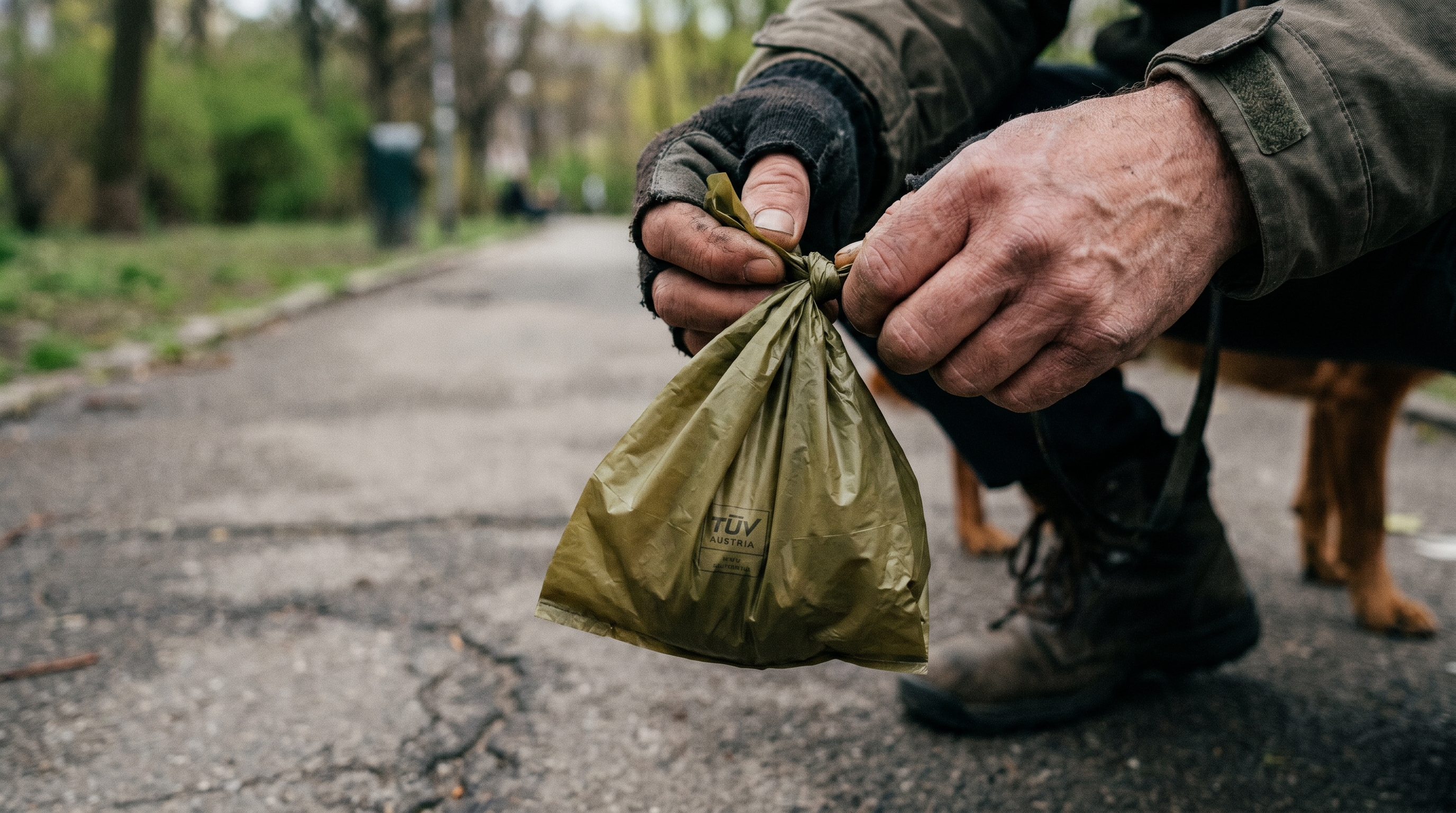
A named compostability certification shows that the covered product meets a specified standard. The label still needs context: the composting conditions and whether a disposal system accepts both the bag and the pet waste inside it.
Biodegradable and compostable: what the labels establish
A label alone does not establish certification or tell you where a bag can go. Check the specific standard, the product it covers and the disposal conditions. Certification also does not establish what will happen in the trash.
A named, independent compostability certification confirms that the covered product met the stated standard. Check the certificate, including the product and thickness covered, and whether it is for home or industrial composting.
Broad claims such as “eco-friendly” or “earth-friendly” need evidence and clear qualifications. Specific claims are easier to assess. For more on the labels, read our guide to degradable, biodegradable and compostable bags.
What a certification mark tells you, and what it does not
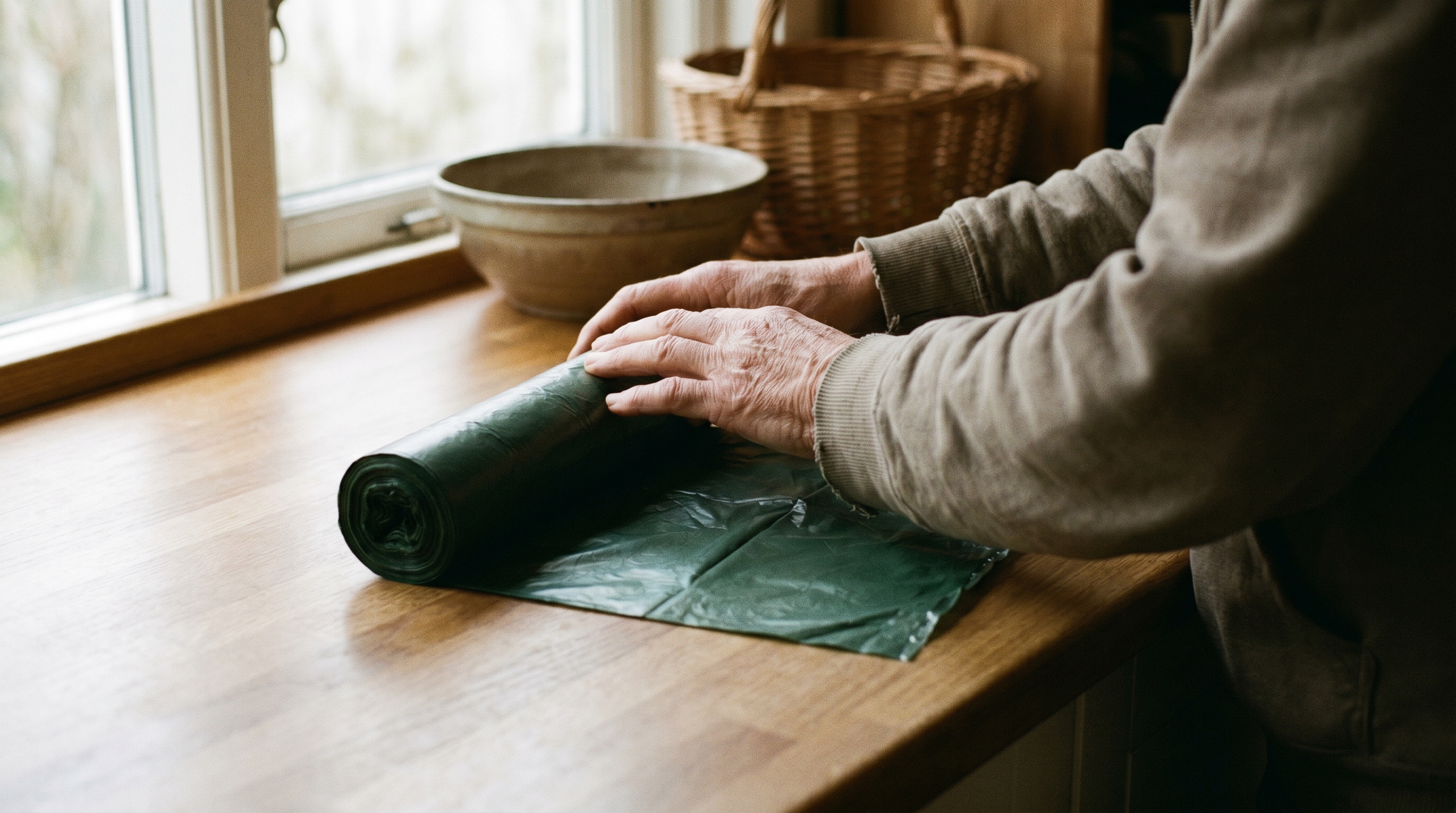
A real certification mark tells you three things.
- This exact product, at this exact thickness, was tested. The bag as sold, ink and all.
- An independent body ran the test and put its name on it. The main names are TÜV Austria (OK compost marks), BPI in the US, and DIN CERTCO in Germany.
- There is a certificate number you can look up on the certifier's public list.
A certification mark does not tell you what happens to the bag in a trash can. It does not tell you that your city accepts it. And it says nothing about whether the dog poop inside is safe to compost. Those questions matter more than the mark.
There are also two kinds of compostable mark. Industrial marks (tested to standards such as ASTM D6400 in the US and EN 13432 in Europe) cover a hot, managed facility. Home marks cover a backyard pile at ordinary outdoor temperatures. A bag with only an industrial mark may never break down in a backyard composter. If you home compost, the home mark is the one that counts. TÜV Austria OK compost HOME is the common one, and we explain the certifier and the test in What are TÜV Austria compostable bags?.
Where the bag ends up decides everything
Start with your disposal route. A certification is relevant only where its conditions match a system that accepts the waste and the bag.
The trash
A compostability certificate does not predict what will happen in a landfill. If your bag goes in the trash, consider thickness, leak protection and ease of use.
The city green bin
Most US municipal and commercial composting programs do not accept pet waste. Check that your program expressly accepts both pet waste and the bag. Otherwise, keep it out of the green bin.
A dedicated pet-waste composter
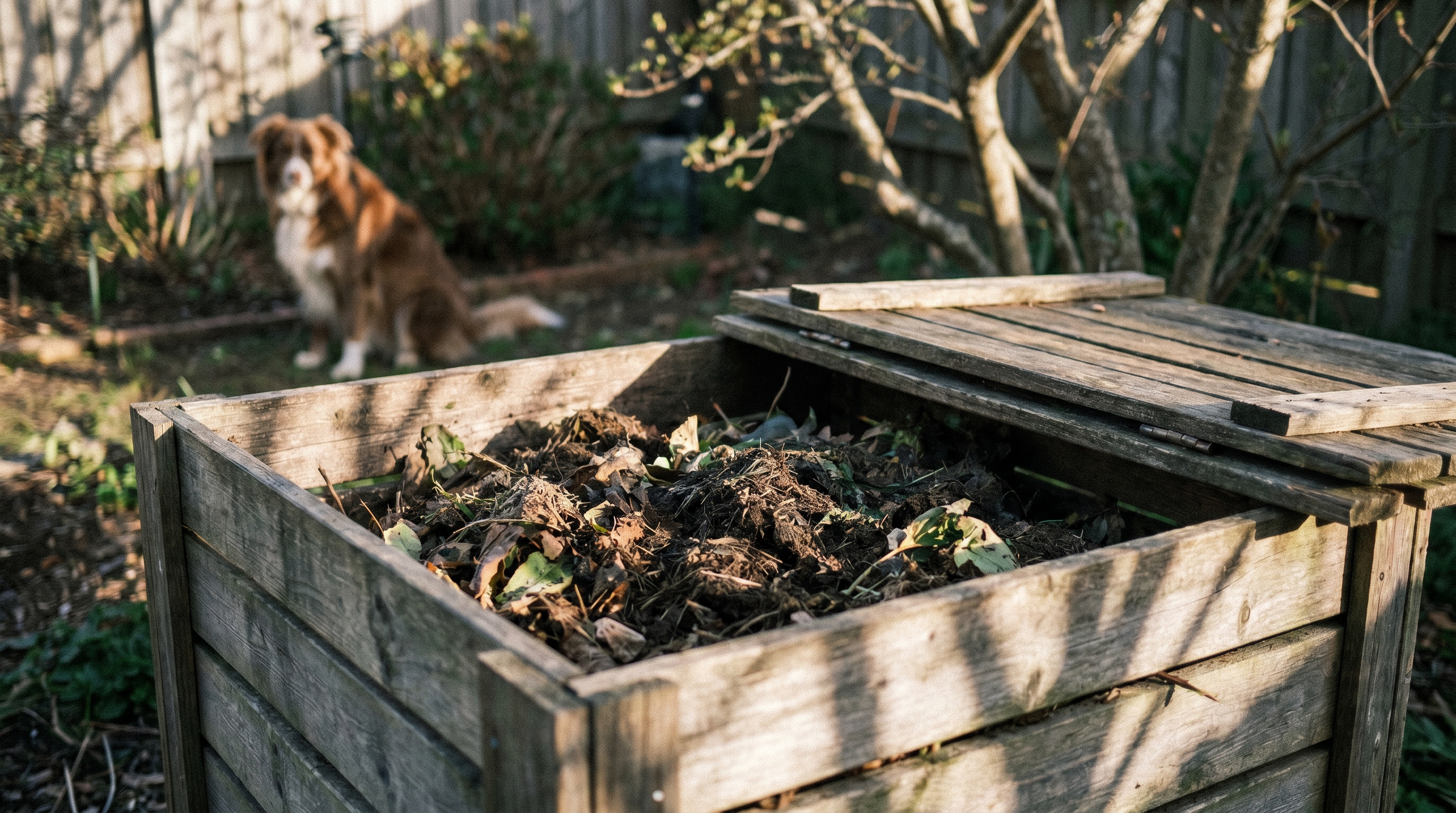
For home composting, match the bag’s certification to your dedicated pet-waste system and follow these rules:
- Keep it separate from your garden compost. Dog poop can carry E. coli, roundworm, and Giardia, and a cool backyard pile does not get hot enough to kill them.
- Use the finished compost on non-food plants only. Ornamentals, hedges, the lawn. Never on anything you eat.
- Choose a system that expressly accepts both pet waste and the bag you use. An in-ground digester is not automatically a bag-composting system. Follow the manufacturer’s accepted-input instructions.
The step-by-step, including what to do in winter, is in Compost dog poop: the only guide you will use.
Why the material matters
The material is what gets certified. A standard does not test a promise on a package. It tests the physical film, at the thickness it is sold in, with the ink printed on it. Ordinary plastic with an additive cannot pass, however it is labeled, because the microbes in compost do not eat it.
Check thickness and leak protection separately from certification. A certification should cover the product and thickness you buy; it does not by itself measure how a bag performs during pickup.
What about cat litter and small pets?
This page is about dog poop. Used cat litter has a shorter answer: it goes in the trash. None of the certification talk above changes that. Pick a litter bag for size, strength, and handles, and tie it tight. For rabbits, guinea pigs, and hamsters, a standard dog poop bag is the right size for cage cleanup.
Common questions
Are compostable poop bags strong enough for big dogs?
The good ones are. Strength comes from film thickness, not from the certification. Our bags are extra thick, and a Judge.me reviewer with a Great Dane described them as "thick enough to not tear." If a bag feels thin on the roll, it will feel thin on the walk.
Can I put a compostable poop bag in my regular garden compost?
No. Not because of the bag, because of the poop. Dog waste carries parasites and bacteria that survive cool composting, and you do not want them near your tomatoes. A dedicated pet-waste composter is the only home option, and the finished compost stays on non-food plants.
Can I put dog poop in the city green bin if the bag is certified?
Almost always no. Most US municipal composting programs reject pet waste outright. Check your program's rules in writing before you assume. The bag does not change the answer.


